

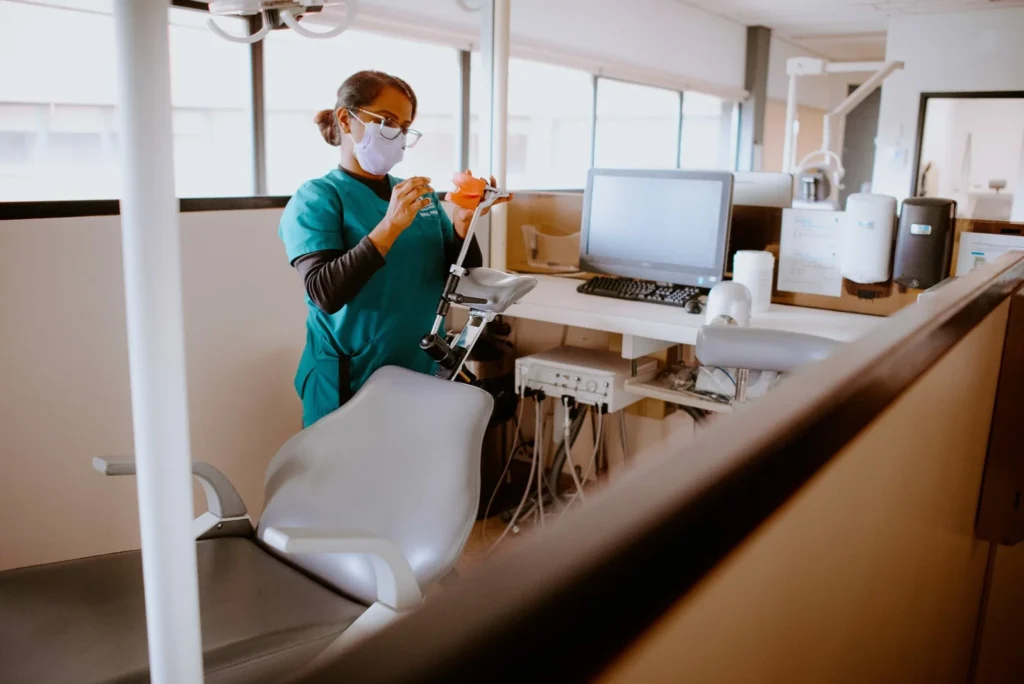
A bright, healthy smile is more than just an aesthetic asset; it’s a cornerstone of your overall well-being. Many people wait until they experience pain or a problem before visiting a dentist, but the key to lifelong dental health lies in prevention.By adopting a proactive approach to your oral care, you can avoid common issues like cavities, gum disease, and costly treatments down the line. Seeking regular guidance from a professional Dental Clinic in Sector 90, Gurgaon is the first step toward building a strong foundation for your smile. This guide will walk you through essential preventive tips to keep your teeth and gums in top condition.
Why Preventive Dentistry Matters
Preventive dentistry is the practice of caring for your teeth to keep them healthy. This helps to avoid cavities, gum disease, enamel wear, and more. The benefits are significant:
- Saves Money: Preventing dental problems is far less expensive than treating them. Regular checkups can catch issues early, saving you from complex procedures like root canals or crowns.
- Avoids Pain: Proactive care helps you steer clear of the discomfort associated with toothaches, infections, and other dental emergencies.
- Protects Overall Health: Your oral health is linked to your general health. Poor oral hygiene can contribute to issues like heart disease, diabetes, and respiratory infections.
- Maintains a Healthy Smile: A consistent routine ensures your smile stays bright and confident for years to come.
Your Daily Oral Care Routine: The Foundation of Health
What you do every day has the biggest impact on your dental health. A solid oral hygiene routine is non-negotiable.
1. Brushing the Right Way
Brushing removes food particles and plaque—a sticky film of bacteria that constantly forms on your teeth.
- Frequency: Brush at least twice a day for two minutes each time.
- Technique: Use a soft-bristled toothbrush and hold it at a 45-degree angle to your gums. Use gentle, short, circular strokes to clean the outer, inner, and chewing surfaces of all your teeth.
- Toothpaste: Always use a fluoride toothpaste. Fluoride is a mineral that helps strengthen your tooth enamel and makes it more resistant to acid attacks that cause decay.
2. The Importance of Flossing
Brushing alone can’t reach the tight spaces between your teeth and under the gumline. This is where flossing comes in.
- Why it’s Crucial: Flossing removes plaque and food particles from areas your toothbrush can’t access, preventing cavities and gum disease.
- How-To: Use about 18 inches of floss, wind most of it around one middle finger, and the rest around the other. Gently guide the floss between your teeth using a rubbing motion. Curve it into a “C” shape against one tooth and slide it into the space between the gum and the tooth until you feel resistance.
3. Using an Interdental Brush and Mouthwash
For added protection, consider incorporating these tools into your routine.
- Interdental Brush: An interdental brush is excellent for cleaning between teeth, especially if you have wider gaps, braces, or bridges.
- Mouthwash: An antiseptic mouthwash can help reduce bacteria, slow the formation of tartar, and combat bad breath. Look for one with fluoride for extra cavity protection.
Image Suggestion 1
- Description: A close-up shot of a person demonstrating the correct flossing technique with a bright, clean smile.
- Alt Text: A person correctly flossing their teeth as part of a daily oral hygiene routine.
- File Name:
daily-oral-hygiene-flossing-technique.jpg
The Role of Fluoride and Dental Sealants
Beyond your daily routine, professional treatments can offer another layer of defense.
- Fluoride Treatments: Your dentist can apply a professional-grade fluoride gel, foam, or varnish to give your teeth a powerful protective boost.
- Dental Sealants: These are thin, plastic coatings painted onto the chewing surfaces of the back teeth (molars and premolars). Sealants act as a barrier, protecting the deep grooves from food particles and plaque. They are highly effective in preventing decay in these vulnerable areas, especially for children and teenagers.
Diet and Nutrition: Fueling a Healthy Smile
What you eat plays a huge role in your dental health. A balanced diet is essential.
- Limit Sugar Intake: Bacteria in your mouth feed on sugar, producing acids that erode tooth enamel. Reduce your sugar intake, especially from sodas, candies, and processed snacks.
- Choose Tooth-Friendly Foods:
- Crunchy Fruits and Vegetables: Apples, carrots, and celery help clean your teeth and stimulate saliva flow.
- Dairy Products: Cheese, milk, and yogurt are high in calcium and phosphates, which help rebuild tooth enamel.
- Leafy Greens: Spinach and kale are packed with calcium and folic acid.
- Stay Hydrated with Water: Water helps wash away food particles and acid. Fluoridated tap water provides an extra layer of protection.
Habits to Avoid for Better Oral Health
Certain habits can silently wreak havoc on your teeth.
- Bruxism (Teeth Grinding): Many people grind their teeth, often during sleep. Bruxism can wear down, chip, or even crack your teeth. If you suspect you grind your teeth, your dentist can fit you with a custom mouthguard to wear at night.
- Using Teeth as Tools: Opening packages, cutting tape, or holding items with your teeth can lead to chips and fractures.
- Chewing on Hard Objects: Avoid chewing on ice, hard candy, or pen caps, as this can damage your enamel.
- Smoking and Tobacco Use: Tobacco use stains teeth, causes bad breath, and significantly increases your risk of gum disease and oral cancer.
Specialized Care Through Life’s Stages
Dental needs change as we age. Here’s how to adapt your preventive care.
Children’s Dental Care
- Start early by cleaning your baby’s gums with a soft cloth.
- Begin brushing with a rice-sized amount of fluoride toothpaste as soon as the first tooth appears.
- Schedule their first dental visit by their first birthday. Early visits help them get comfortable with the dentist. [Link to our pediatric dentistry page]
Adults and the Elderly
- Adults should remain vigilant about gum health, as this becomes a more common issue with age.
- Dry mouth can be a side effect of medications, increasing the risk of cavities. Stay hydrated and talk to your dentist about solutions.
- Older adults may need help maintaining their oral hygiene. Ensure regular checkups to manage existing dental work like dentures or bridges.
Warning Signs: When to Visit the Dentist
Don’t wait for your scheduled checkup if you notice any of these signs:
- Tooth sensitivity to hot or cold.
- Puffy, red, or bleeding gums.
- Persistent bad breath (halitosis).
- Pain when chewing.
- A loose permanent tooth.
- A broken or chipped tooth.
Early intervention is key to preventing a small issue from becoming a major problem requiring extensive treatment.
Preventing Dental Emergencies
Accidents happen, but you can take steps to protect your teeth.
- Sports Mouthguards: If you or your child plays contact sports, a custom-fitted sports mouthguard is essential. It protects against broken teeth, jaw injuries, and cuts to the lip and tongue.
- Be Prepared: Know what to do if a tooth is knocked out. Handle it by the crown (not the root), rinse it gently, and try to place it back in the socket. If you can’t, keep it moist in milk and see a dentist immediately.
Oral Hygiene with Braces and Aligners
Orthodontic treatment requires extra diligence.
- Cleaning Around Braces: Use an interdental brush or floss threader to clean under the wires and around the brackets.
- Aligner Care: Remove your aligners to eat and drink anything other than water. Brush and floss your teeth before putting them back in, and clean the aligners regularly as instructed.
Protecting Your Gums
Healthy gums are the foundation for healthy teeth. Gum disease often starts silently.
- Gingivitis: This is the earliest stage, characterized by red, swollen gums that bleed easily. It is reversible with professional cleaning and improved home care.
- Periodontitis: If gingivitis is left untreated, it can advance to periodontitis, where the gums pull away from the teeth, and the bone and connective tissue are broken down. This can lead to tooth loss. Regular checkups and scaling and polishing are vital for root canal prevention and keeping gums healthy.
Managing Bad Breath and Teeth Whitening
- Halitosis Management: Most bad breath originates from bacteria on the tongue. In addition to brushing and flossing, use a tongue scraper daily. If bad breath persists, it could be a sign of gum disease or another underlying issue.
- Safe Teeth Whitening: Many people desire a whiter smile. While over-the-counter products are available, consulting your dentist is the safest option. They can recommend a professional treatment or product that is effective and won’t damage your enamel. [Link to whitening services page]
Your Dental Checkup: What to Expect and How Often
For most people, a dental visit every six months is recommended. This frequency allows your dental team to stay ahead of potential problems.
During a routine visit, you can expect:
- A Professional Cleaning: A hygienist will perform scaling and polishing to remove plaque and hardened tartar that you can’t remove at home.
- A Thorough Examination: The dentist will check your teeth, gums, and mouth for any signs of decay, gum disease, or other issues.
- X-Rays: Periodic dental x-rays help detect problems that aren’t visible to the naked eye, such as decay between teeth, issues with the jawbone, or impacted teeth.
Cost-Saving Tips for Dental Care
Investing in preventive care saves money in the long run. Many dental insurance plans cover preventive services like checkups and cleanings at 100%. If you don’t have insurance, ask your local clinic about in-house membership plans or payment options that make care more affordable.
Frequently Asked Questions (FAQ)
- Q: How can I prevent tooth sensitivity?
- A: Use a soft-bristled brush, avoid aggressive brushing, and use a desensitizing toothpaste. If sensitivity persists, see your dentist to rule out underlying causes like cavities or gum recession.
- Q: Are electric toothbrushes better than manual ones?
- A: Both are effective if used correctly. However, many people find that the built-in timers and rotating heads of electric toothbrushes help them clean more thoroughly.
- Q: Is it really necessary to see a dentist twice a year?
- A: Yes. Regular visits allow your dentist to remove tartar buildup and catch problems like cavities or gum disease when they are small and easy to treat. For more information on oral health, you can visit credible sources like the World Health Organization. [External link: WHO oral health page]
Quick Preventive Care Checklist
- Brush twice a day with fluoride toothpaste.
- Floss daily.
- Limit sugary foods and drinks.
- Eat a balanced, tooth-friendly diet.
- Wear a mouthguard for sports.
- Avoid using your teeth as tools.
- Visit your dentist for regular checkups and cleanings.
Taking control of your oral health starts today. By integrating these habits into your daily life and partnering with a trusted dental team, you can ensure your smile remains healthy, strong, and beautiful for a lifetime. For personalized advice and professional care, schedule a consultation with a Dental Clinic in Sector 90, Gurgaon to discuss your specific needs and create a preventive plan that works for you.